
Productivity apps are everywhere nowadays.
Every other creator, startup founder, freelancer, or YouTuber seems to have their own “perfect second brain” setup. And somewhere in the middle of all that noise, two names keep showing up repeatedly:
Notion and Obsidian.
Both tools are extremely popular amongst solopreneurs. Both can organize projects, notes, content ideas, business systems, and knowledge.
But the experience of using them is completely different.
One feels like an all-in-one business workspace built for collaboration and databases.
The other feels like a private knowledge vault built for deep thinking and long-term idea management.
And depending on the type of solopreneur you are, one of them will probably frustrate you.
Today, we’re going to compare Notion vs Obsidian for solopreneurs across:
- Ease of use
- Organization
- Speed
- Offline access
- AI capabilities
- Content creation
- Knowledge management
- Collaboration
- Pricing
- Long-term scalability
So let’s get into it.
Notion vs Obsidian: Quick Comparison
| Feature | Notion | Obsidian |
| Best For | Business operations and project management | Deep knowledge management |
| Learning Curve | Beginner-friendly | Moderate |
| Offline Access | Limited | Excellent |
| Database System | Excellent | Weak without plugins |
| Speed | Can slow down with large workspaces | Extremely fast |
| Collaboration | Excellent | Limited |
| AI Features | Built-in AI tools | Plugin dependent |
| File Ownership | Cloud-based | Local markdown files |
| Customization | Moderate | Extremely customizable |
| Writing Experience | Clean | Minimal and distraction-free |
| Mobile Experience | Good | Good but more technical |
| Best Solopreneur Type | Operators and managers | Writers, researchers, thinkers |
What Makes Notion Popular Among Solopreneurs?
Notion became popular because it replaces multiple tools at once. It’s simply one of the best project management tool for solopreneurs out there.
Instead of juggling:
- Google Docs
- Trello
- Airtable
- Basic CRMs
- Wikis
- Content calendars
You can run everything inside a single workspace.
That’s the main appeal.
For solopreneurs managing:
- content pipelines
- client systems
- SOPs
- affiliate databases
- finances
- publishing schedules
Notion makes organization and daily task management for solopreneurs extremely easy.
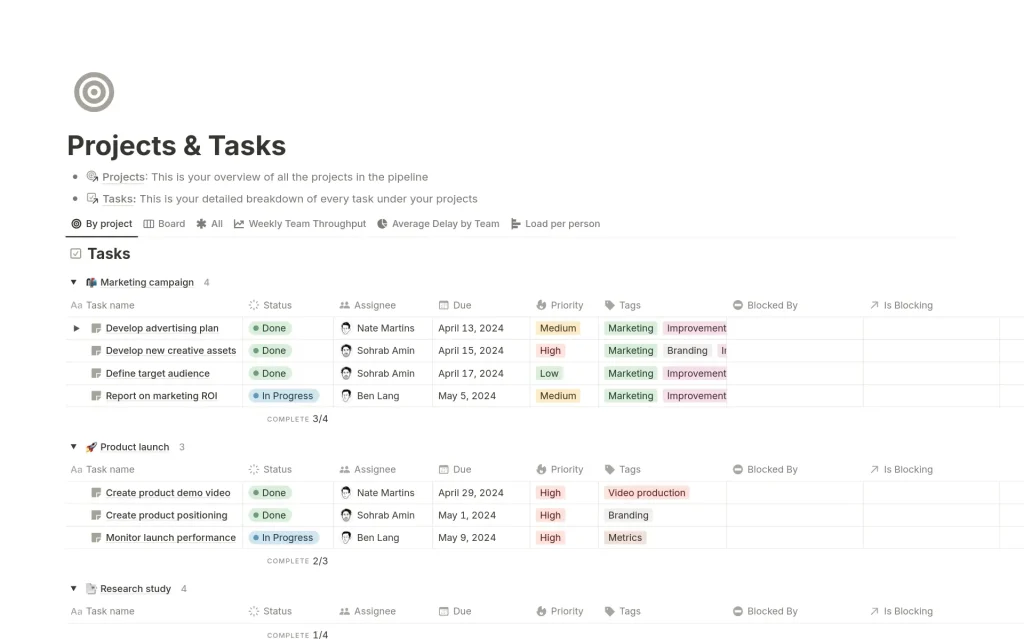
Database System
This is where Notion completely outclasses Obsidian.
Its database system is incredibly flexible for:
- content tracking
- SEO planning
- client management
- lead tracking
- editorial calendars
- product management
All inside one dashboard.
That’s hard to replicate inside Obsidian without heavy customization.
Collaboration
Notion is simply easier if you work with editors, VA’s, designers, and clients.
Sharing pages is straightforward. Team collaboration works well. Comments, mentions, and permissions are built into the system.
Obsidian feels much more isolated in comparison.
AI Features
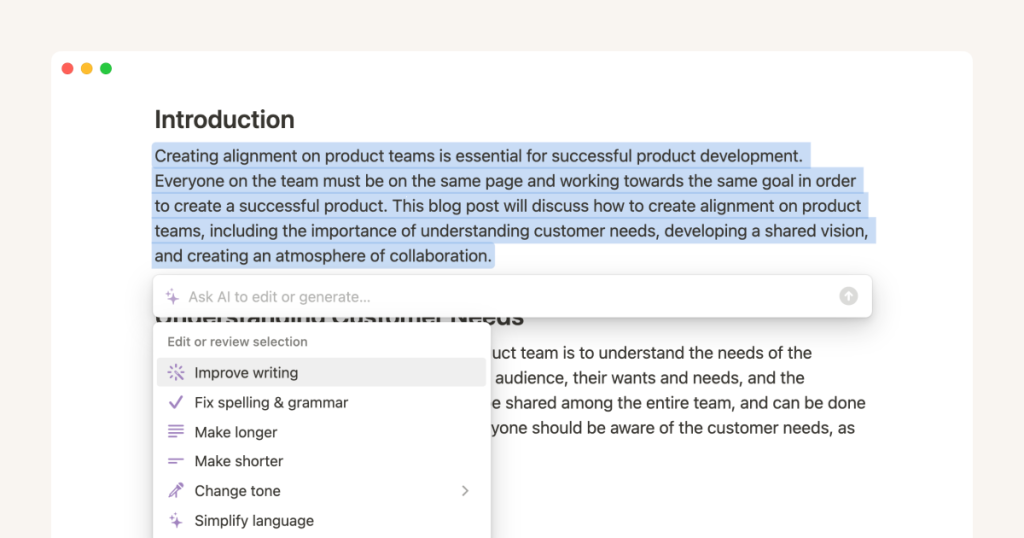
Notion AI has become a major selling point recently.
You can:
- summarize notes
- rewrite content
- generate drafts
- extract action items
- brainstorm ideas
Directly inside the workspace.
For solopreneurs managing large content operations, this can speed up workflows quite a bit.
Still, the AI isn’t magic.
The outputs still require editing, fact-checking, and structure improvements.
Where Notion Starts Becoming Frustrating
Despite its strengths, Notion has several weaknesses that become noticeable over time.
Performance Issues
Large workspaces can become slow.
Especially if you embed too many databases, use heavy templates, or stack lots of widgets.
The app can start feeling bloated.This becomes frustrating for solopreneurs who live inside their productivity systems daily.
Weak Offline Experience
This is one of the biggest complaints against Notion.
Offline functionality still feels unreliable compared to local-first apps.
If your internet becomes unstable, workflows can suffer quickly.
For writers or researchers constantly traveling, that’s a major downside.
Too Much “Workspace Management”
Ironically, many solopreneurs end up spending more time optimizing Notion than actually working.
You start building dashboards, and aesthetic systems. And before you know it, your productivity system becomes its own side project.
That rabbit hole is very real.
Why Obsidian Has a Cult Following
Obsidian approaches productivity very differently.
It’s less about managing operations.
And more about building a long-term knowledge system.
Instead of fancy dashboards and databases, Obsidian focuses heavily on:
- note linking
- markdown writing
- idea connections
- personal knowledge management
For many solopreneurs, that becomes incredibly powerful over time.
Local-First Ownership
This is Obsidian’s biggest strength.
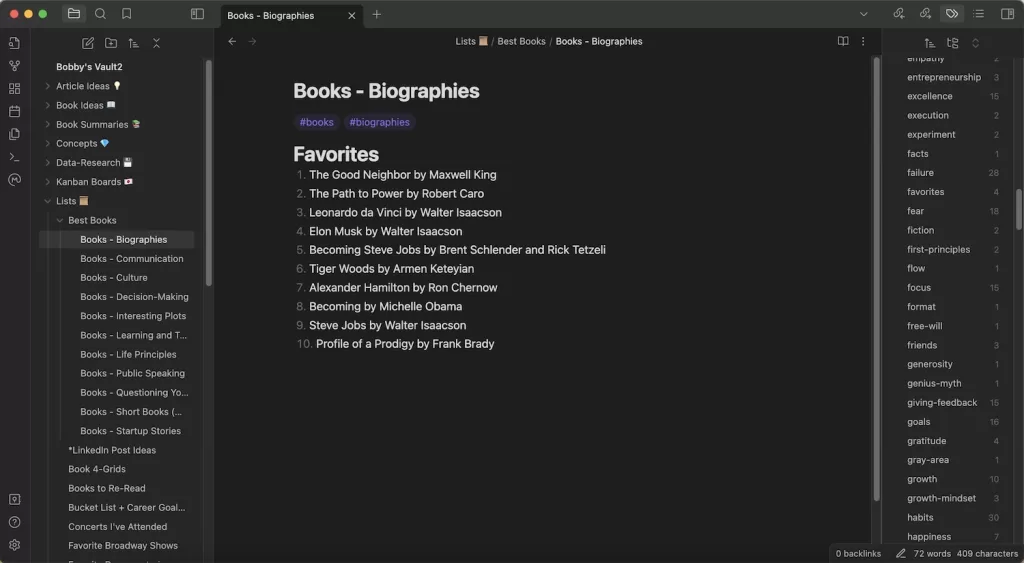
Your files stay on your device as markdown files.
That means:
- better privacy
- faster loading
- full ownership
- easier backups
- no platform lock-in
Even if Obsidian disappeared tomorrow, your notes would still work.
That matters more than people realize.
Extremely Fast
Obsidian feels lightweight even with massive note libraries.
Thousands of notes barely slow it down.
For researchers, writers, or people building large knowledge systems, that performance difference becomes noticeable very quickly.
Linking Ideas Together
This is where Obsidian becomes addictive.
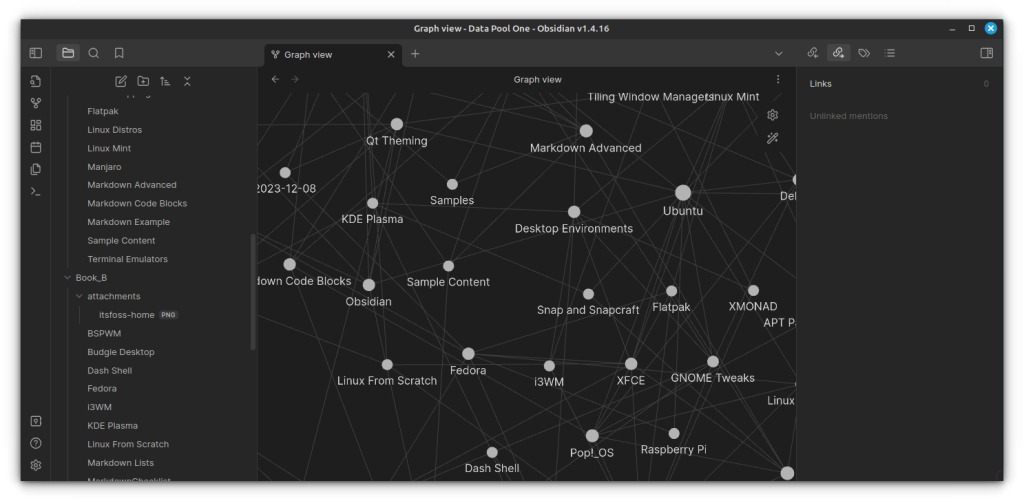
You can connect ideas together through internal linking almost like building a web of thoughts.
Over time, your notes become interconnected instead of isolated documents.
For:
- content creators
- newsletter writers
- educators
- researchers
- strategists
This is incredibly useful for generating new ideas.
One note often leads naturally into another.
Where Obsidian Struggles for Solopreneurs
Obsidian is powerful.
But it’s not automatically practical for everyone.
Steeper Learning Curve
Compared to Notion, Obsidian feels far more technical.
You’ll encounter:
- markdown
- plugins
- themes
- vault systems
- community extensions
New users can easily feel overwhelmed.
Especially non-technical solopreneurs.
Weak Native Collaboration
Obsidian is mostly designed for personal use.
Collaboration exists through workarounds and sync systems, but it’s nowhere near as seamless as Notion.
If your workflow depends heavily on teamwork, this becomes a problem quickly.
Databases Require Extra Work
Obsidian can mimic database systems using plugins like Dataview.
But it’s nowhere near as intuitive as Notion.
You’ll spend more time configuring systems manually.
For operators managing business workflows daily, that can become exhausting.
Which Tool Is Better for Different Types of Solopreneurs?
Choose Notion If You:
- Manage multiple business systems
- Work with freelancers or clients
- Need databases and dashboards
- Want an all-in-one workspace
- Prefer simplicity over customization
- Run content operations at scale
Notion is better for operators.
It helps manage moving parts efficiently.
Choose Obsidian If You:
- Write heavily
- Research constantly
- Build long-term knowledge systems
- Want full ownership of your notes
- Care about speed and offline access
- Prefer deep thinking over workspace aesthetics
Obsidian is better for thinkers.
Especially knowledge-heavy solopreneurs.
Can You Use Both Together?
Honestly, this is what many advanced solopreneurs end up doing.
They use Obsidian for thinking and knowledge management, and Notion for operations and execution
The two tools actually complement each other surprisingly well.
Pricing Comparison
Notion Pricing
Notion offers:
- Free plan
- Plus plan
- Business plan
- Enterprise options
Most solopreneurs can comfortably operate on the free or Plus plan.
The AI features cost extra.
Obsidian Pricing
Obsidian is free for personal use.
You mainly pay for:
- Obsidian Sync
- Publish features
The core app itself is extremely generous.
Especially considering how powerful it becomes with plugins.
Final Thoughts
Notion and Obsidian solve two entirely different problems.
Notion helps solopreneurs organize and operate businesses efficiently.
Obsidian helps solopreneurs think, connect ideas, and build knowledge long term.
If your biggest challenge is managing workflows, projects, and collaboration, Notion makes far more sense.
If your biggest advantage comes from ideas, research, writing, and deep knowledge, Obsidian is difficult to beat.
And if you’re serious about building a long-term online business?
There’s a good chance you eventually end up using both.
FAQs
Is Notion better than Obsidian for beginners?
Yes. Notion is much easier to learn initially thanks to its visual interface and built-in templates.
Is Obsidian better for writers?
Usually, yes. Obsidian offers a faster and more distraction-free writing experience with stronger long-term note organization.
Can Obsidian replace Notion completely?
For some solopreneurs, yes. But replacing Notion’s databases, collaboration tools, and dashboards inside Obsidian requires plugins and extra setup work.
Which is better for SEO bloggers?
It depends on the workflow.
SEO bloggers managing content operations often prefer Notion. Writers focused heavily on research, topical authority, and idea linking often prefer Obsidian.