
Most SEO advice on internet is written for big teams with huge budgets. They tell you to track a thousand metrics and write daily articles.
I’ve been there. I built my own brands from scratch, managing SEO while running operations.
Here is the truth. You do not need a big team to rank on Google. You just need a tight, repeatable system.
Here is how to do SEO as a solopreneur without losing your mind.
Table of Contents
1. Focus on Low-Competition Keywords
You cannot compete with giant websites for broad search terms. If you sell eco-friendly coffee cups, do not try to rank for “coffee cups.” You will lose.
Instead, look for long-tail keywords. These are longer, more specific phrases that customers search when they are ready to buy.
How to Find Easy Keywords
- Use Google Autosuggest: Type your main topic into Google. Look at the phrases that drop down.
- Check Reddit and Quora: See what specific questions people ask in your niche.
- Target Search Intent: Make sure the keyword matches exactly what your business offers.
Ubersuggest, Mangools, SE Ranking are some of the best KW tools for solopreneurs on budget. You can try them out if you’re willing to spend some money for quality keywords.

When I started my first blog, I only targeted keywords that giant sites ignored. My traffic grew fast because the competition was practically zero.
2. Create Fewer, Better Pages
As a solopreneur, time is your scarcest resource. Do not try to write five thin blog posts every week.
Google rewards depth and helpfulness. Write one incredible, thorough page instead of ten weak ones.
Structure for High Rankings
- Answer the Question Instantly: Put the main answer in the first paragraph.
- Use Clear Headers: Break your text up with descriptive H2 and H3 headings.
- Keep It Scannable: Use bullet points and short sentences.
Think of your content like a training session. Quality always beats mindless repetition.
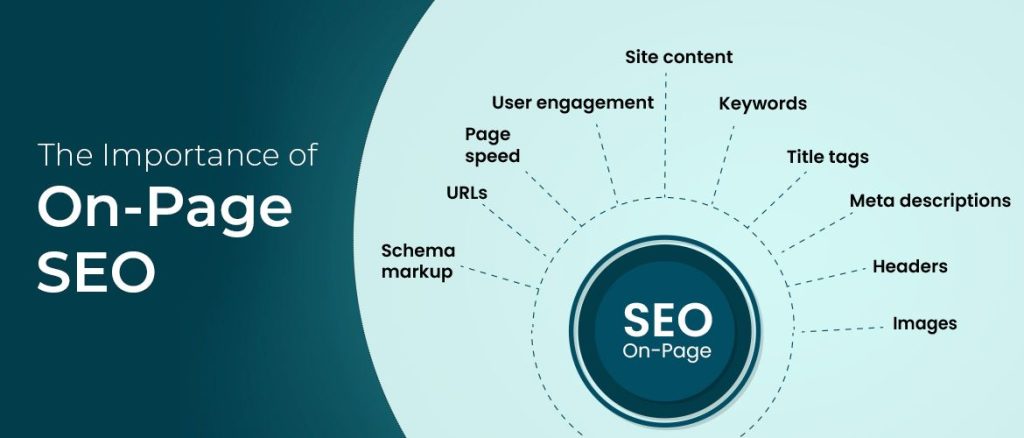
3. Master Basic On-Page SEO
You do not need to be a coding genius to fix your on-page SEO. Google just needs to understand what your page is about.
Keep your optimization simple and clean.
Your On-Page Checklist
- Title Tag: Put your main keyword near the beginning of your page title.
- URL Structure: Keep URLs short. Use your keyword and dashes, like /easy-seo-tips.
- Image Alt Text: Describe your images using plain language and relevant keywords.
- URLs: Make sure that the page URL is short, clear, and keyword focused.
- Site Content: Ensure top quality content and long-form content for better SEO performance.
- Meta Description: A compelling, accurate meta description drives more traffic to your site. Higher CTRs can lead to better rankings over time
- Images: Images create a better user experience, break up walls of text, and allow you to rank in visual searches.
4. Build a Simple Link Building Routine
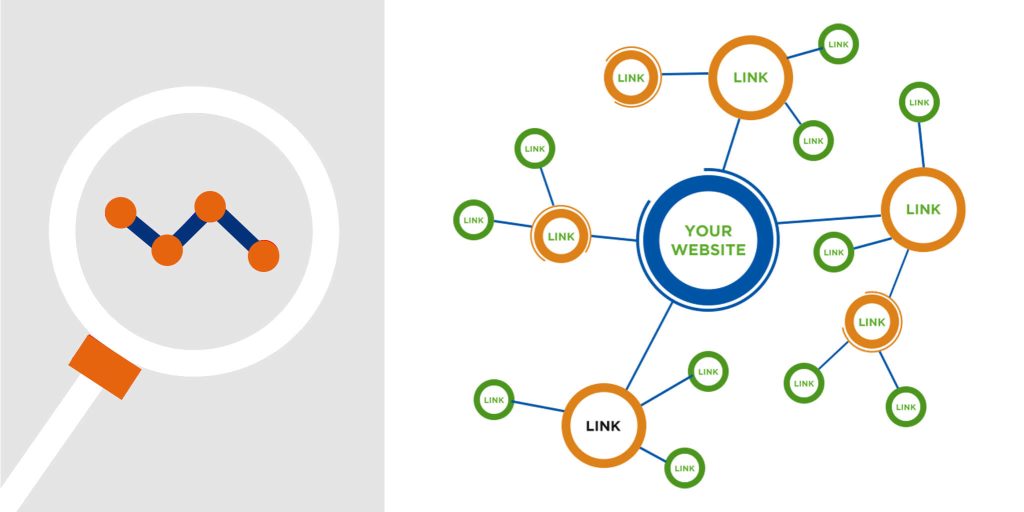
Links from other websites tell Google that your site is trustworthy. Building links is hard work, but you can do it solo.
Do not buy cheap links. They will get your site penalized.
Solo Link Strategies
- Fix Broken Links: Find broken links on blogs in your niche. Offer your content as a replacement.
- Write Guest Posts: Write high-quality articles for reputable sites in exchange for a link.
- Share Real Data: Publish unique stats or case studies from your own business. People naturally link to data.
5. Track Only Three Metrics
Do not waste hours staring at complex analytics dashboards. Most data is just noise that distracts you from actual work.
As a single founder, only track what impacts your bottom line.
The Only Metrics That Matter
- Organic Traffic: Are more real people finding your website over time?
- Keyword Rankings: Is your page moving up for your target search terms?
- Conversions: Are those searchers actually buying your products or signing up?
6. Optimize Your Site Speed and Mobile Performance
Google uses mobile-first indexing. This means it looks at your mobile site to determine your rankings. If your website loads slowly on a phone, you will lose traffic.
As a solopreneur, you do not need to code. You just need to keep your site lean.
Simple Speed Fixes
- Compress Your Images: Large images kill site speed. Use free tools to shrink image file sizes before uploading.
- Choose Clean Hosting: Avoid the cheapest shared hosting plans. Fast hosting is worth the extra money.
- Limit External Plugins: Too many add-ons slow down your site. Delete any tools you do not actively use.
When I cleaned up my site and removed old plugins, my loading time dropped in half. My rankings jumped almost immediately.
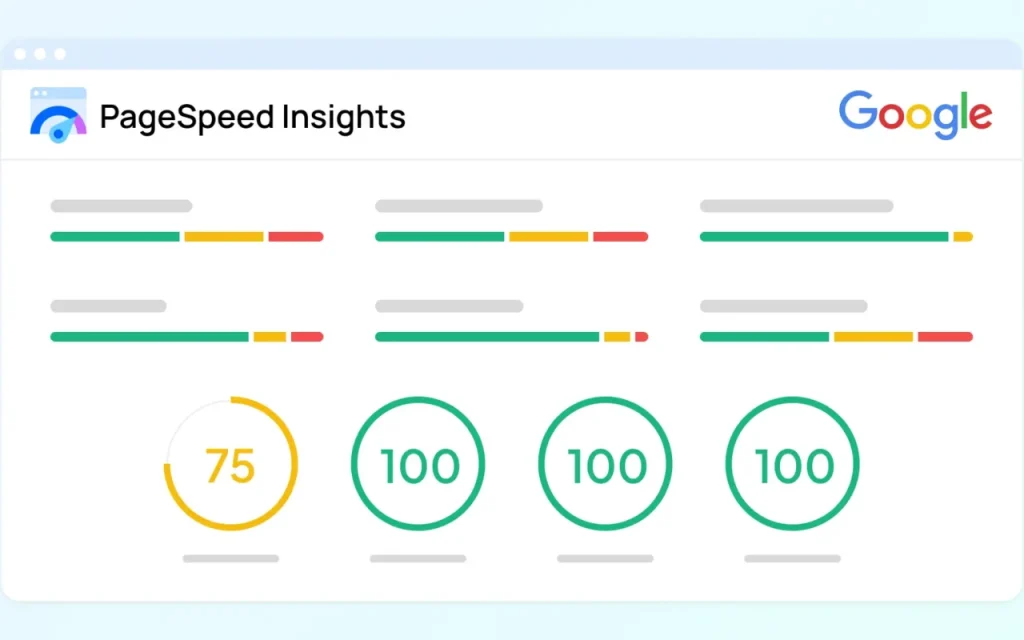
You can use free Google tools like Google PageSpeed Insights to check your site’s live speed and performance metrics.
7. Use “Search Intent” Mapping
Google does not rank websites. It ranks answers.
Before you write, search your target keyword. Look at the top three results. Are they listicles? How-to guides? Product pages?
Match their format exactly. If the top results are “Top 10” lists, do not write a long-form essay. Give the user exactly what they expect to see.
8. Focus on Technical Hygiene
You do not need to be a developer. You just need to keep your site fast.
Slow sites kill conversions and frustrate Google’s crawlers. If your site takes more than three seconds to load, visitors will leave.
Basic Technical Housekeeping
- Compress Images: Large files are the number one cause of slow sites.
- Use a Fast Theme: Pick a lightweight, mobile-responsive theme for your CMS.
- Remove Unused Plugins: Every extra plugin adds weight and security risks.
Keep the engine clean so your content can actually reach the finish line.
9. Build a “Topic Cluster”
Do not write about random topics. It confuses Google and dilutes your authority.
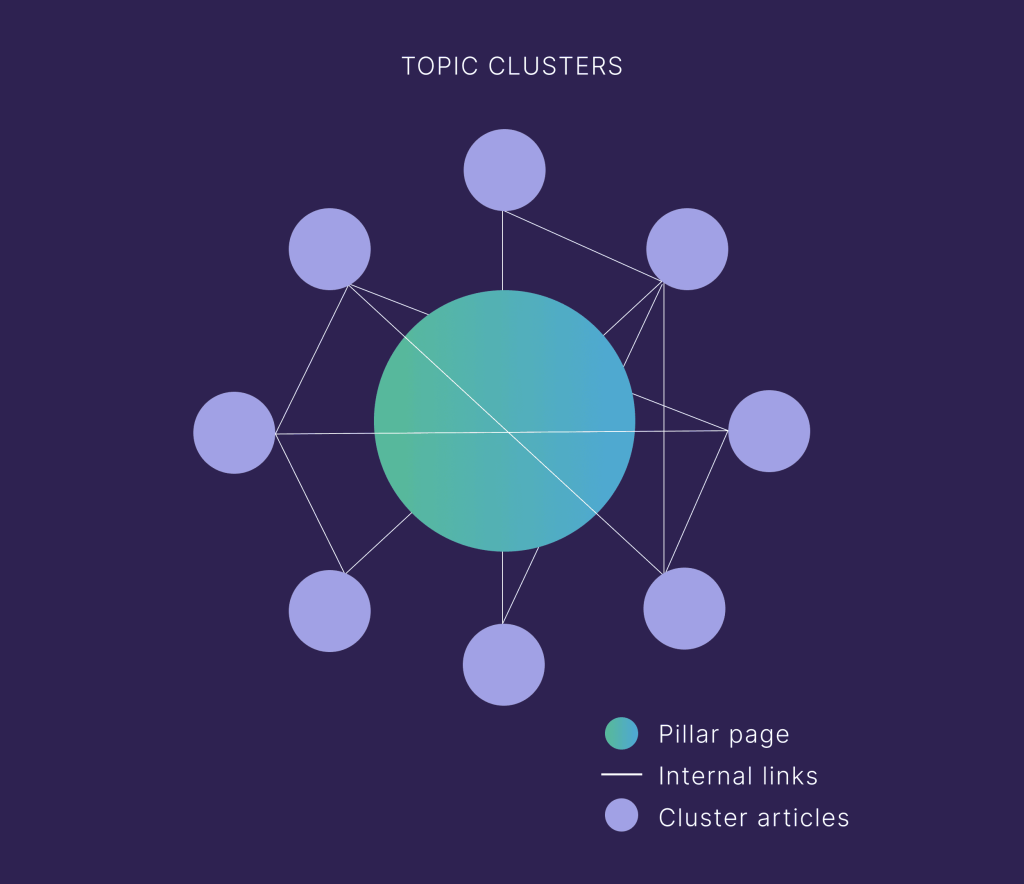
Instead, pick one “pillar” topic. Write one massive guide on that subject. Then, write five smaller posts that link back to that main guide.
The Cluster Strategy
- Pillar Page: A deep, 3,000-word guide on your core business niche.
- Supporting Posts: Narrow, specific questions related to the main pillar.
- Internal Linking: Link every small post back to the big one.
This tells Google you are the expert on the entire subject, not just one keyword.
10. Claim Your Local SEO Presence
If your business serves a specific city or region, local SEO is your biggest shortcut. It is much easier to rank locally than globally.
Google places local business maps right at the top of search results. You need to be there.
Local Ranking Steps
- Google Business Profile: Set up your free profile. Fill out every single section completely.
- Gather Customer Reviews: Ask your clients for honest reviews. Reply to every single review you receive.
- Keep NAP Consistent: Ensure your Name, Address, and Phone number match exactly across the web.
11. Update Your Old Content Regularly
SEO is not a set-it-and-forget-it task. Over time, accurate articles get outdated. Competitors will publish newer versions and steal your rankings.
Updating old content takes half the time of writing a new post. It delivers massive value for minimal effort.
Content Refresh Checklist
- Fix Dead Links: Check your old posts for broken outbound links and fix them.
- Add Fresh Insights: Insert new stats, recent examples, or better images.
- Check the Intent: Ensure the page still answers the exact question users are searching.
Key Takeaways
- Pick Small Battles: Target specific, low-competition phrases to get quick wins.
- Protect Your Time: Publish one deep, helpful article instead of multiple short posts.
- Stay Consistent: Spend just 30 minutes a day on SEO instead of binging it monthly.
FAQs
How much time should a solopreneur spend on SEO?
Spend roughly three to five hours per week. Consistency matters much more than doing massive, exhausting sessions once a month. Break it into 30-minute daily tasks.
Do I need expensive SEO tools to start?
No. You can do excellent keyword research using free tools. Use Google Keyword Planner, Google Trends, and native search results to start. Upgrade to paid tools only when your profit allows it.
How long does it take to see SEO results?
SEO is a long game. It usually takes three to six months to see steady organic traffic. Focus on building solid foundations, and the compounding growth will follow.
Should I hire an agency or do it myself?
Do it yourself until you have clear proof of concept and steady cash flow. Learning the basics firsthand ensures you will not get ripped off when you eventually outsource.
Managing SEO on your own takes serious discipline. It is a slow grind, much like mastering a physical skill. But once your pages start ranking, they bring in passive leads while you sleep.
What is the biggest challenge holding you back from starting your SEO strategy? Let me know in the comments below!