
You’re building a newsletter. You’re doing it alone.
That means every hour you spend figuring out a platform is an hour you’re not writing, promoting, or earning. You need the right tool from the start.
beehiiv and Substack are the two platforms most solopreneurs land on. They look similar on the surface. Both send emails. Both let you charge subscribers. Both are used by serious newsletter creators.
But they work very differently. And picking the wrong one can cost you real money as your list grows.
Here’s the honest breakdown.
Table of Contents
Quick Comparison: beehiiv vs Substack
| Feature | beehiiv | Substack |
| Free Plan | Up to 2,500 subscribers | Unlimited subscribers |
| Paid Plan Cost | From $49/month | Free (10% revenue cut) |
| Revenue Share | 0% | 10% of all paid subscriptions |
| Automation | Yes (paid plans) | No |
| Built-in Ad Network | Yes (Scale plan+) | No |
| Discoverability | Limited | Strong (Notes, recommendations) |
| Custom Domain | Yes (paid) | Yes ($50 one-time, loses discoverability) |
| Design Flexibility | High | Low |
| Analytics | Advanced | Basic |
| Best For | Growth-focused solopreneurs | Writers focused on building community |
What You’re Actually Choosing Between
This isn’t just a feature comparison.
Substack is a writing platform with email built in. beehiiv is an email platform with newsletter features built in. That distinction changes everything about how you use each one.
If your goal is to write and get read, Substack fits that. If your goal is to build a newsletter as a business, beehiiv fits that.
Most solopreneurs fall somewhere in between. So let’s break it down properly.
Pricing: The Number That Changes Everything
beehiiv Pricing
beehiiv has three main tiers:
- Launch (Free): Up to 2,500 subscribers, unlimited sends. Basic analytics, custom website. No automation, no monetization tools.
- Scale ($49/month): Paid subscriptions, ad network access, A/B testing, automations, AI tools. Price increases as your subscriber count grows.
- Max ($109/month): Everything in Scale, plus beehiiv branding removal, priority support, up to 10 publications.
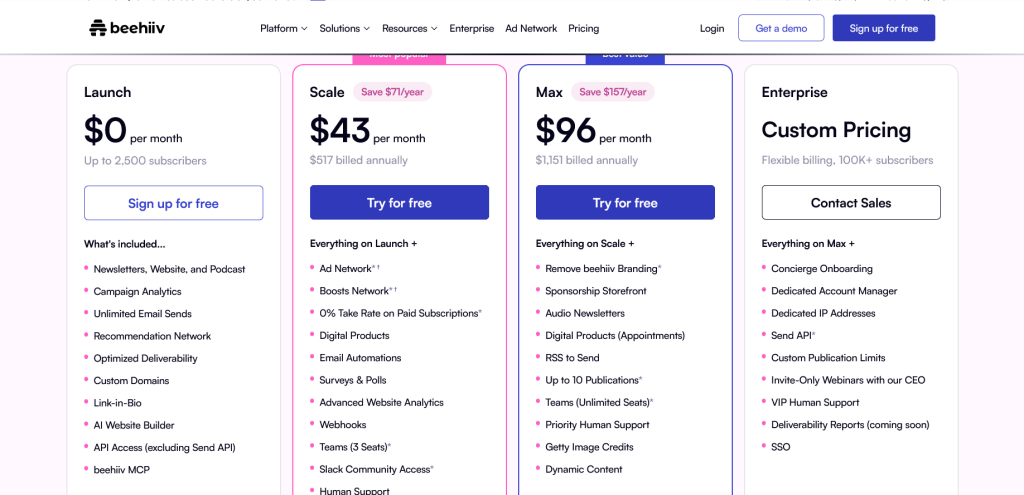
Here’s what matters: beehiiv takes 0% of your revenue. What you earn, you keep (minus Stripe’s processing fee of 2.9% + $0.30 per transaction).
Substack Pricing
Substack is free to start. No monthly fee. No subscriber cap on the free list.
The catch: when you turn on paid subscriptions, Substack takes 10% of every dollar. Forever.
That sounds manageable early on. It stops being manageable fast.
At 100 paid subscribers paying $10/month, Substack takes $100/month. At 500 paid subscribers paying $10/month, Substack takes $500/month. At 1,000 paid subscribers paying $10/month, Substack takes $1,000/month.
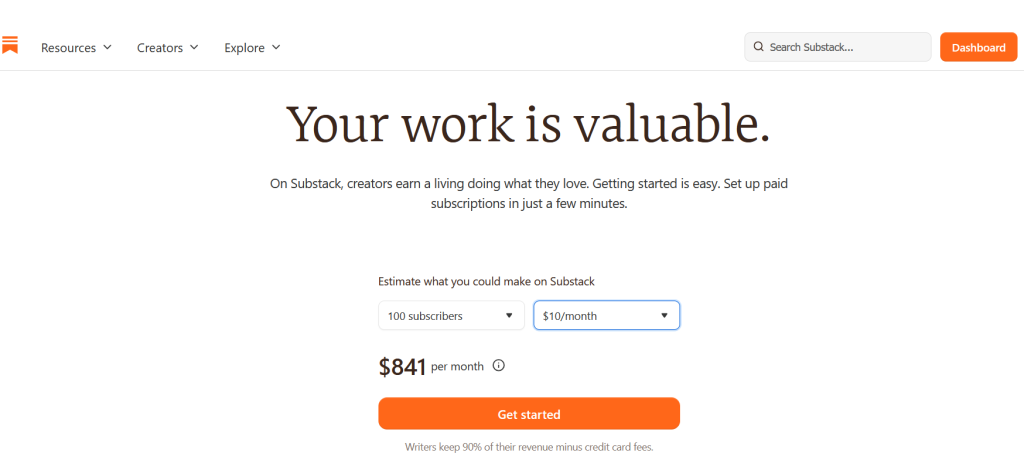
beehiiv’s Max plan at $109/month covers the same 1,000-subscriber scenario. The math isn’t subtle.
Bottom line: Substack is cheaper when you’re earning nothing. beehiiv is cheaper once you’re earning anything meaningful.
Monetization: More Ways to Make Money
beehiiv’s Monetization Tools
beehiiv gives you multiple revenue streams from a single platform.
Paid subscriptions with 0% platform cut. The ad network connects your newsletter with advertisers, letting you earn from your free subscribers before you ever launch paid tiers. Boosts pay you when readers you refer subscribe to other newsletters. Digital products can be sold directly through the platform.
For solopreneurs who aren’t ready to charge subscribers yet, the ad network is a genuine differentiator. You can start earning from day one of your Scale plan without a single paying subscriber.
Substack’s Monetization
Substack does paid subscriptions. That’s essentially it.
You set a monthly or annual price. Readers subscribe. Substack takes 10%.
There’s no ad network. No boosts equivalent. No digital product sales. If you want to sell a course, coaching package, or one-time product, you’re linking out to a different tool.
Bottom line: If monetization matters to you, beehiiv has more options. Substack bets everything on one revenue model.
Growth and Discoverability
Substack’s Built-In Network
This is Substack’s biggest advantage. It’s also what makes solopreneurs stay despite the 10% fee.
Substack has a built-in recommendation system. When a reader subscribes to one newsletter, Substack suggests others. Notes gives you a social feed where your posts can reach people who don’t subscribe yet. Substack’s search and discovery tools surface your writing to people already reading on the platform.
For a solopreneur starting from zero with no existing audience, that discoverability is real and valuable. You don’t have to do all the heavy lifting yourself.
One important caveat: adding a custom domain removes you from Substack’s internal recommendation network. You have to choose between full brand ownership and maximum platform discoverability.
beehiiv’s Growth Tools
beehiiv doesn’t have a built-in reader network the way Substack does.
What it does have: referral programs, Boosts (where you pay to be promoted inside other newsletters), robust analytics to track what’s working, and A/B testing to optimize your subject lines. These are tools that help you grow intentionally. They require more active effort.
Bottom line: Starting cold with zero audience, Substack gives you a discovery shortcut. If you already have an audience, beehiiv gives you better tools to convert and retain them.
Writing Experience and Design
Substack
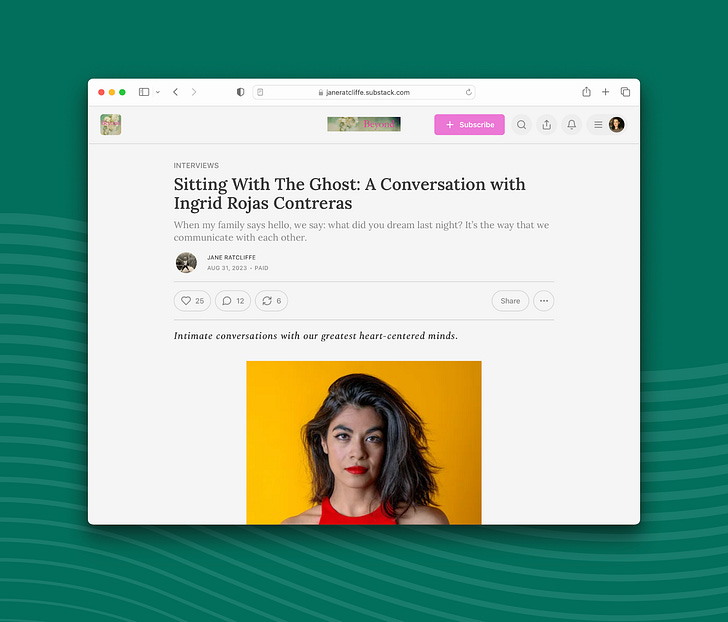
Writing on Substack feels like writing. Clean editor. No distractions. You open it, type, and hit publish.
Design options are minimal by intention. Your newsletter looks like everyone else’s on Substack. That’s a tradeoff, not an accident.
beehiiv
beehiiv has a custom website builder. You can control the look and feel of your publication. Email templates are more flexible. If you want your newsletter to look distinct, beehiiv gives you the tools to make that happen.
The writing experience isn’t as stripped back as Substack. There’s more to configure. That’s the cost of more control.
Bottom line: Writers who want to focus on the writing pick Substack. Solopreneurs who care about branding and design pick beehiiv.
Automation and Analytics
beehiiv
Automation is available on the Scale plan. Welcome sequences, drip campaigns, subscriber tagging based on behavior. Nothing as deep as a dedicated email marketing platform like Kit or MailerLite, but enough to run a professional newsletter without manual follow-up.
Analytics are detailed. Open rates, click rates, subscriber growth, revenue tracking. You know what’s working.
Substack
Substack has no automation. No welcome sequences. No drip campaigns. When someone subscribes, they get whatever your next published post is.
Analytics are basic. Open rates, subscriber counts, some revenue data. Enough to know if people are reading. Not enough to optimize aggressively.
Bottom line: If you want any automation at all, you need beehiiv. Substack is deliberately simple on this front.
Who Should Pick beehiiv
Pick beehiiv if:
- You plan to monetize through ads, paid subscriptions, or multiple revenue streams
- You already have an audience coming from somewhere else (social media, podcast, existing email list)
- You care about branding and want your newsletter to look like yours, not like every other Substack
- You want to run automations and dig into analytics
- You’re thinking long-term and don’t want a platform taking 10% of your revenue forever
The honest truth: Once you’re earning anything significant, Substack’s fee structure will push you toward beehiiv anyway. beehive is one of the best email marketing tool for solopreneurs. If you know you’re building for monetization, start there.
Who Should Pick Substack
Pick Substack if:
- You’re starting from zero with no existing audience and need discoverability
- You write in a topic area that already has a Substack community (politics, culture, finance, health)
- You want the simplest possible setup with zero monthly cost while you validate your idea
- Paid subscriptions are your only intended revenue model and your list is still small
- You want to focus entirely on writing and nothing else
The honest truth: Substack is the right starting point for writers who aren’t sure yet whether the newsletter will work. Zero upfront cost means zero risk while you find your audience. Just know the 10% fee is waiting once you turn on monetization.
Switching Platforms
Worth knowing: migrating from Substack to beehiiv is straightforward.
beehiiv has a built-in migration tool. It imports your subscribers, posts, and paid subscription data. The whole process takes less than an hour and requires no technical skills.
Many solopreneurs start on Substack, validate the concept, build an initial audience, and then move to beehiiv once monetization becomes the focus. That’s a legitimate strategy.
Key Takeaways
- Substack is free forever but takes 10% of all paid subscription revenue. That adds up fast.
- beehiiv charges a monthly fee but takes 0% of your revenue. At any meaningful income, it’s cheaper.
- beehiiv has more monetization options: ads, Boosts, digital products, paid subscriptions.
- Substack’s built-in discovery network is a real advantage for writers starting with zero audience.
- beehiiv wins on design, automation, and analytics. Substack wins on simplicity and discoverability.
- Migrating from Substack to beehiiv later is easy, so starting on Substack to validate your concept is a reasonable move.
- If you already have an audience, start on beehiiv. If you’re building from scratch in a writer-friendly niche, Substack is worth testing first.
FAQs
Can you switch from Substack to beehiiv without losing subscribers?
Yes. beehiiv has a built-in migration tool that pulls your subscriber list, post archive, and paid subscription data from Substack. The migration takes under an hour and doesn’t require any technical knowledge. Your subscribers don’t have to re-subscribe — they move over directly.
Does beehiiv take a cut of paid subscriptions?
No. beehiiv charges 0% platform commission on all revenue. You pay Stripe’s processing fee (2.9% + $0.30 per transaction), but beehiiv takes nothing. Compare that to Substack, which takes 10% of every paid subscription in perpetuity.
Is Substack good for solopreneurs who are just starting out?
Yes, specifically if you’re starting with no existing audience. Substack’s recommendation network and Notes feature can surface your content to readers who are already on the platform. The $0 upfront cost also removes financial risk while you validate your content and find your readers. Just know the economics shift once you turn on paid subscriptions.
Does beehiiv have a free plan?
Yes. The Launch plan is free for up to 2,500 subscribers with unlimited email sends. It includes basic analytics and a custom website. Paid subscriptions, the ad network, and automations require upgrading to the Scale plan at $49/month.